Top Uses of Non Woven Fabric Across Different Industries
December 11, 2025
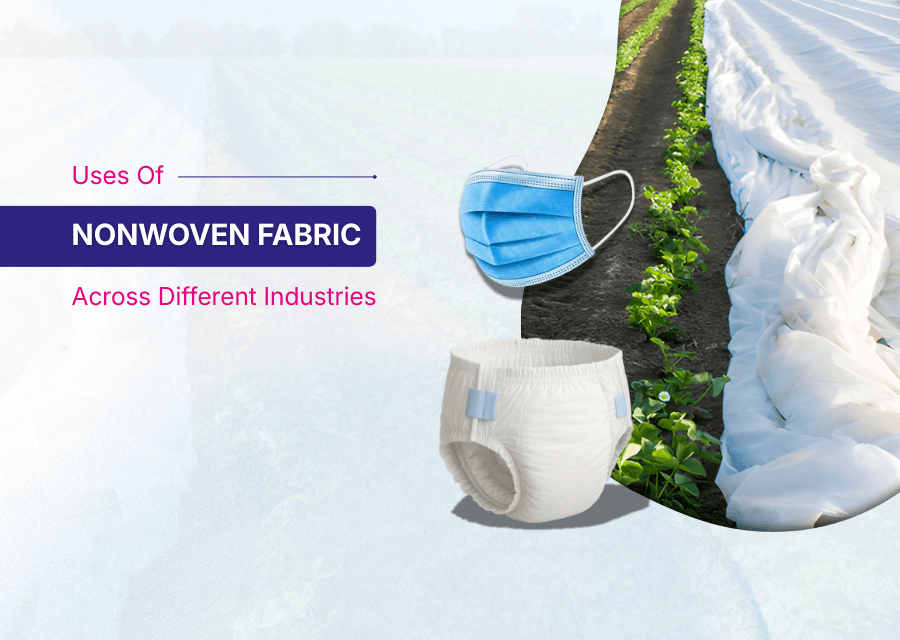
Non woven fabric has become an essential material across a wide range of industries due to its versatility, lightweight structure, durability and cost-effectiveness. Unlike traditional woven textiles, non woven fabrics are made by bonding or entangling fibres together through mechanical, thermal or chemical processes rather than weaving or knitting them.
Available in different materials, thicknesses, GSMs and finishes, non woven fabrics can be designed to meet specific application requirements. From healthcare and hygiene to agriculture, packaging, construction and hospitality, these fabrics are used in numerous everyday and industrial products.
In this blog, we explore the top uses of non woven fabric across different industries.
What is Non Woven Fabric?
Non woven fabric is an engineered material made by bonding fibres together instead of weaving yarns. Depending on the manufacturing process and application requirements, it can offer properties such as:
- Lightweight construction
- Breathability
- Softness
- Durability
- Water resistance
- Absorbency
- UV protection
- Chemical resistance
- Customizable GSM and width
Different types of non woven fabrics, such as hydrophilic, hydrophobic, UV-treated, flame-retardant and laminated non woven fabrics, are used for specific industrial applications.
1. Healthcare and Medical Industry
The healthcare industry is one of the major users of non woven fabrics. These materials are widely used in disposable and protective medical products because they can provide a combination of comfort, breathability and protection.
Common Medical Applications
- Surgical gowns
- Face masks
- Medical drapes
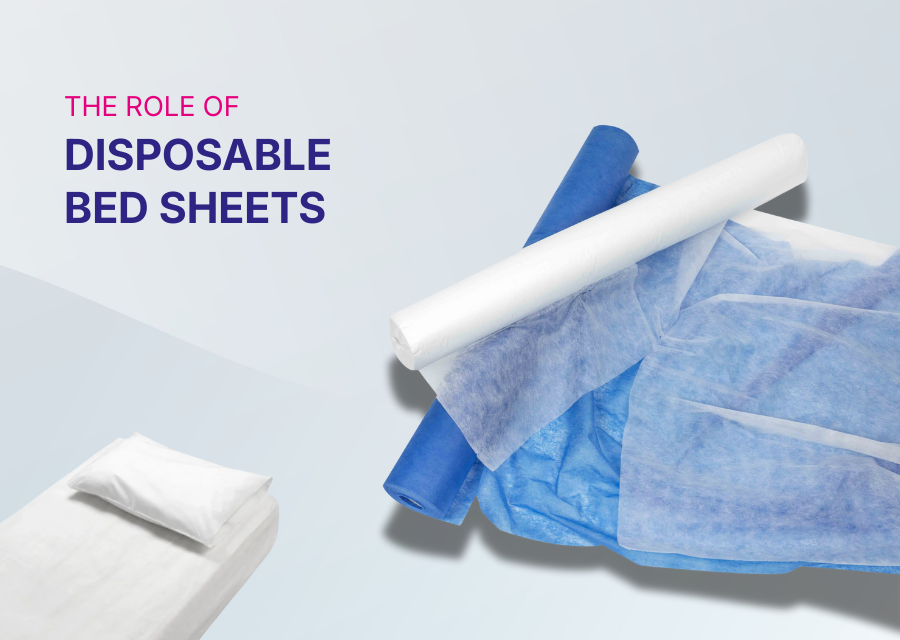
- Disposable bedsheets
- Protective clothing
- Shoe covers
- Medical packaging
Depending on the application, medical non woven fabrics can be designed with hydrophobic, breathable or laminated properties.
2. Hygiene and Personal Care Industry
Non woven fabric plays an important role in the hygiene and personal care sector. Soft and skin-friendly fabrics are commonly used in products that require comfort and efficient liquid management.
Common Hygiene Applications
- Baby diapers
- Adult diapers
- Sanitary pads
- Underpads
- Wet wipes
- Personal care products
Hydrophilic non woven fabric is often used in applications where liquid absorption and distribution are important, while super-soft non woven materials can improve comfort during skin contact.
3. Agriculture Industry
Non woven fabrics are increasingly used in modern agriculture to protect crops and create better growing conditions. These fabrics can help protect plants from environmental factors while allowing air and moisture circulation.
Agricultural Uses of Non Woven Fabric
- Crop covers
- Frost protection covers
- Fruit covers
- Weed barrier rolls
- Plant protection covers
- Nursery applications
UV-treated non woven fabrics are particularly useful for outdoor agricultural applications where prolonged exposure to sunlight is a concern.
4. Landscaping and Gardening
In landscaping applications, non woven fabrics are commonly used for weed management and soil protection.
Common Uses
- Weed control fabric
- Weed barrier rolls
- Landscape protection
- Soil separation
- Moisture management
- Garden applications
A properly selected weed barrier fabric can help suppress unwanted weed growth while allowing water and air to reach the soil.
5. Packaging Industry
The packaging industry uses non woven fabrics for protective, reusable and specialised packaging applications. Depending on the material and lamination, these fabrics can offer additional strength and resistance to moisture.
Applications Include
- Protective packaging
- Industrial packaging
- Laminated packaging materials
- Reusable packaging products
- Specialty covers
Laminated non woven fabrics are particularly suitable where additional protection and durability are required.
6. Construction and Infrastructure
Non woven fabrics are also used in construction and infrastructure projects for separation, protection and other technical applications.
Common Applications
- Protective layers
- Construction site covers
- Insulation-related applications
- Surface protection
- Industrial barriers
The required fabric specification can vary depending on strength, thickness, durability and environmental conditions.
7. Automotive Industry
The automotive industry uses non woven materials in various interior and functional components.
Uses Include
- Interior linings
- Seat components
- Insulation materials
- Trunk liners
- Sound absorption applications
- Protective layers
Non woven fabrics can provide lightweight and functional material solutions for automotive applications.
8. Hospitality Industry
The hospitality sector uses non woven fabrics in several disposable and hygiene-focused products.
Common Hospitality Products
- Disposable bedsheets
- Non woven slippers
- Laundry bags
- Disposable protective products
These products can offer convenience, hygiene and ease of use for hotels, hospitals, spas and other service-based facilities.
9. Industrial Applications
Industrial non woven fabrics can be manufactured with specialised properties to meet demanding operating conditions.
Examples Include
- Flame-retardant non woven fabric
- Antistatic non woven fabric
- Hydrophobic fabric
- Laminated non woven fabric
- Protective industrial materials
For example, FR-treated non woven fabrics can be used in applications where resistance to flame spread is required, while antistatic fabrics can be useful in environments where static control is important.
10. Filtration and Protective Applications
Certain types of non woven fabrics can also be used in filtration and protective applications due to their fibre structure and customizable properties.
Possible Applications
- Air filtration
- Liquid filtration
- Protective barriers
- Industrial filtration
- Dust protection
The performance of non woven fabric in these applications depends on factors such as fibre composition, fabric structure, GSM and manufacturing technology.
Why Non Woven Fabric Is Used Across So Many Industries
The growing use of non woven fabric across industries is driven by its ability to be customized according to specific requirements.
Some of its key advantages include:
- Customizable GSM and width
- Lightweight and easy handling
- Soft or rigid properties based on application
- Breathable structure
- Water-resistant options
- UV-treated options
- Hydrophilic and hydrophobic properties
- Laminated and coated variations
- Suitable for disposable and reusable applications
Manufacturers can modify the fabric properties based on the intended end use, making non woven fabric a highly versatile material.
How to Choose the Right Non Woven Fabric for Your Application
Before selecting a non woven fabric, it is important to consider several factors:
1. Application Requirements
Identify whether the fabric will be used for medical, hygiene, agriculture, packaging, industrial or another application.
2. Required Properties
Consider whether the application requires:
- Water resistance
- Absorbency
- Breathability
- UV protection
- Flame resistance
- Antistatic properties
- Softness
- High strength
3. GSM and Thickness
The appropriate GSM depends on the required strength, durability and end application.
4. Customization Requirements
Depending on the manufacturer, non woven fabrics may be available in customised:
- GSM
- Width
- Colour
- Surface finish
- Treatment
- Lamination
Conclusion
Non woven fabric has become an essential material across industries due to its versatility, lightweight structure and ability to be customised for different applications. From healthcare and hygiene to agriculture, landscaping, hospitality, packaging and industrial use, different types of non woven fabrics are designed to meet specific performance requirements.
Choosing the right non woven fabric depends on factors such as the application, required GSM, strength, softness, breathability, water resistance and other functional properties. With the right material specifications, non woven fabrics can provide reliable performance across a wide range of end-use applications.
Looking for High-Quality Non Woven Fabric Solutions?
At Spunweb, we offer a wide range of non woven fabric solutions designed for diverse industry requirements. From hydrophilic and hydrophobic fabrics to UV-treated, laminated, antistatic and specialised non woven materials, our solutions can be customised based on application requirements.
Whether you need non woven fabric for healthcare, hygiene, agriculture, packaging, landscaping or industrial applications, our team can help you find the right solution based on your required specifications.
👉Contact Spunweb today to discuss your non woven fabric requirements.
Frequently Asked Questions
What are the main uses of non woven fabric?
Non woven fabric is used in healthcare, hygiene, agriculture, landscaping, packaging, hospitality, automotive, construction and various industrial applications.
Which industries use non woven fabric?
Major industries using non woven fabric include medical and healthcare, personal hygiene, agriculture, packaging, automotive, construction, hospitality and manufacturing.
Is non woven fabric used in agriculture?
Yes. Non woven fabric is used for crop covers, frost protection, fruit covers, weed barriers and other agricultural applications.
What type of non woven fabric is used for hygiene products?
Different types of non woven fabrics are used depending on the application. Hydrophilic, hydrophobic and super-soft non woven fabrics are commonly used in hygiene and personal care products.
Can non woven fabric be customised?
Yes. Depending on manufacturing capabilities, non woven fabric can be customised in terms of GSM, width, colour, treatments and other specifications based on application requirements.
Fill the form

For quick support on

scan QR code