Understanding Hydrophobic Non-Woven Fabric and Its Core Properties
November 20, 2025
Non-woven fabrics are widely used across industries because they can be designed with specific properties based on their intended application. One such important type is hydrophobic non-woven fabric, which is designed to resist water and repel liquids from its surface.
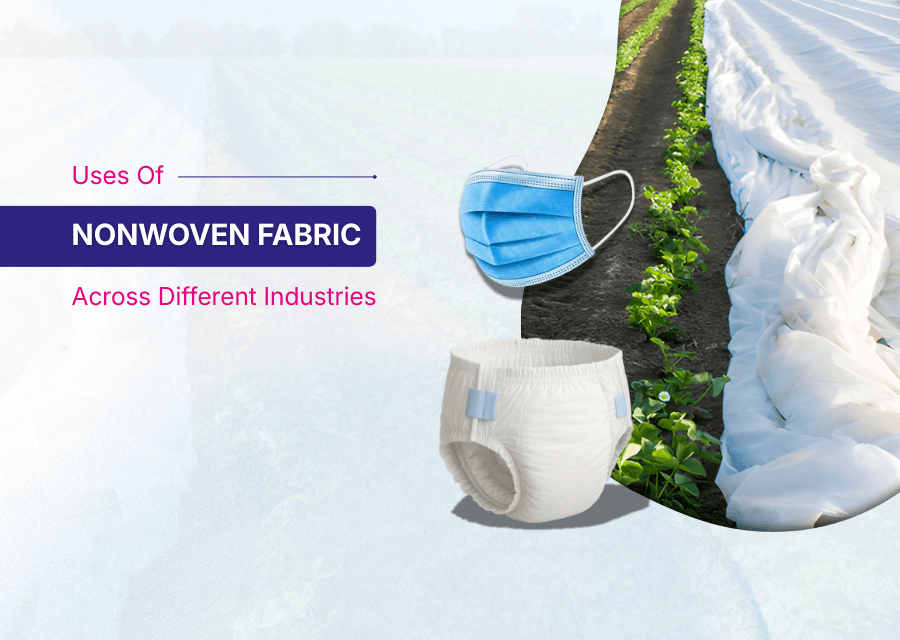
Hydrophobic non-woven fabrics are commonly used in hygiene, medical, agricultural, packaging and industrial applications where moisture resistance and protection are important. Their ability to resist liquid penetration while maintaining a lightweight and flexible structure makes them suitable for a wide range of products.
In this blog, we will understand what hydrophobic non-woven fabric is, how it works, its core properties and its major applications across different industries.
What Is Hydrophobic Non-Woven Fabric?
Hydrophobic non-woven fabric is a type of non-woven material designed to repel water and other liquids rather than absorb them. The term hydrophobic means “water-repelling.”
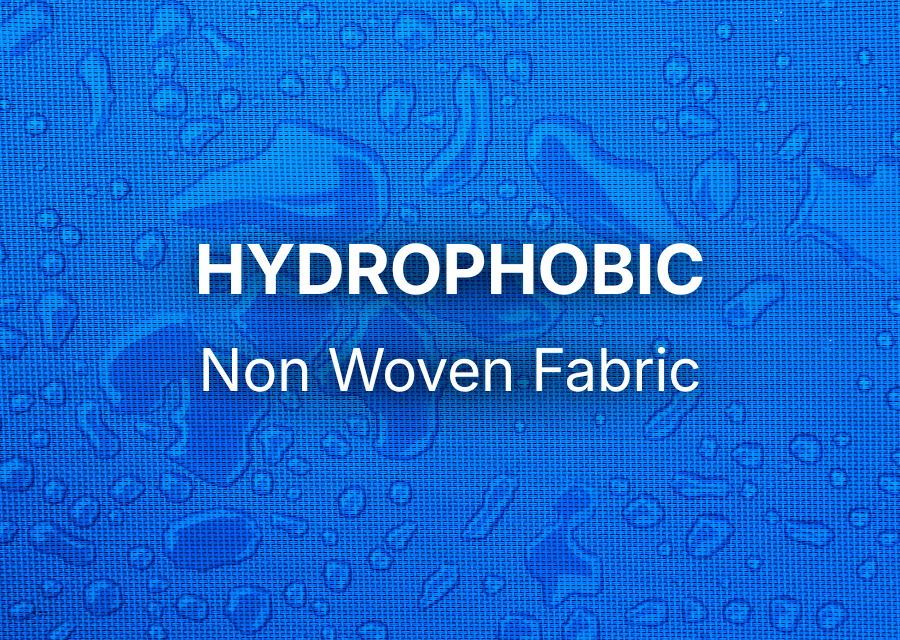
The fabric can be manufactured using fibres and processes that naturally offer water resistance or can be treated to enhance its hydrophobic properties. When liquid comes into contact with the surface, it tends to form droplets and remain on the surface instead of quickly penetrating the fabric.
Depending on the material composition, GSM, bonding process and surface treatment, the level of water resistance can vary.
How Does Hydrophobic Non-Woven Fabric Work?
The hydrophobic nature of the fabric is achieved through its fibre structure, material properties or specialised treatments. Polypropylene is commonly used in non-woven fabric manufacturing because of its natural resistance to moisture.
The structure of the fabric helps reduce liquid absorption, while the surface properties encourage water droplets to remain on or move away from the material.
However, the exact level of protection depends on several factors, including:
- Type of polymer or fibre used
- Fabric structure
- GSM
- Thickness
- Manufacturing process
- Surface treatment
- Pressure and duration of liquid exposure
Therefore, hydrophobic fabric should be selected based on the specific performance requirements of the final application.
Core Properties of Hydrophobic Non-Woven Fabric
1. Water Repellency
The primary property of hydrophobic non-woven fabric is its ability to resist water and moisture. This makes it useful for applications where protection from liquid exposure is required.
2. Lightweight Structure
Hydrophobic non-woven fabrics can provide effective performance without adding excessive weight. Their lightweight nature makes them easy to handle and suitable for disposable and protective products.
3. Breathability
Depending on the fabric construction and application, hydrophobic non-woven fabric can offer breathability while helping resist liquid penetration. This balance is particularly useful in protective and hygiene-related applications.
4. Durability
The strength and durability of the fabric can be adjusted according to the required GSM and manufacturing specifications. Higher-strength materials can be developed for applications that require improved handling and performance.
5. Softness and Flexibility
Hydrophobic non-woven fabrics can also be designed to provide softness and flexibility. This makes them suitable for applications involving comfort, movement or direct contact with other materials.
6. Customizable Specifications
Depending on manufacturing capabilities, hydrophobic non-woven fabric may be customised based on:
- GSM
- Width
- Colour
- Thickness
- Surface properties
- Roll size
- Application requirements
This flexibility allows manufacturers to select suitable fabric specifications for different end uses.
Types of Hydrophobic Non-Woven Fabric
Hydrophobic properties can be incorporated into different types of non-woven materials depending on the manufacturing process and application.
Polypropylene Spunbond Non-Woven Fabric
Polypropylene spunbond fabric is widely used because of its lightweight structure, strength and moisture-resistant properties. It can be used across medical, hygiene, agriculture and industrial applications.
Treated Hydrophobic Non-Woven Fabric
Some non-woven fabrics may undergo additional treatment to enhance their resistance to water or other liquids, depending on the required application.
Laminated Non-Woven Fabric
Laminated non-woven materials combine non-woven fabric with an additional layer to provide enhanced protection, durability or moisture resistance.
Major Applications of Hydrophobic Non-Woven Fabric
1. Medical and Healthcare Applications
Hydrophobic non-woven fabric can be used in healthcare and protective applications where resistance to liquid exposure is important.
Common applications include:
- Medical gowns
- Protective clothing
- Surgical drapes
- Face masks
- Medical covers
- Disposable healthcare products
The required level of protection should always be selected according to the specific use and applicable product standards.
2. Hygiene Products
Hydrophobic non-woven materials are used in selected layers of hygiene products where liquid resistance or liquid direction management is required.
Applications may include:
- Baby diapers
- Adult hygiene products
- Sanitary products
- Underpads
- Personal care products
Different layers of a hygiene product may require different fabric properties, including hydrophilic, hydrophobic or super-soft characteristics.
3. Agriculture
Hydrophobic non-woven fabric can be used in agricultural applications where protection from moisture and environmental exposure is required.
Depending on the product design, non-woven materials may be used for:
- Crop protection
- Plant covers
- Agricultural covers
- Outdoor protection applications
UV resistance may also be required for fabrics designed for long-term outdoor use.
4. Packaging Applications
The water-resistant properties of hydrophobic non-woven fabric can make it suitable for protective and specialised packaging applications.
Possible uses include:
- Protective packaging
- Product covers
- Industrial packaging
- Reusable protective bags
5. Industrial Applications
Hydrophobic non-woven fabrics are also used in industrial environments where moisture resistance and material protection are important.
Applications may include:
- Protective covers
- Industrial barriers
- Surface protection
- Specialised technical applications
Hydrophobic vs Hydrophilic Non-Woven Fabric
Hydrophobic and hydrophilic non-woven fabrics are designed for different functions.
| Property | Hydrophobic Non-Woven Fabric | Hydrophilic Non-Woven Fabric |
|---|---|---|
| Liquid Behaviour | Repels or resists water | Absorbs or allows liquid to spread |
| Main Function | Moisture and liquid resistance | Liquid absorption and management |
| Common Applications | Protective, medical and industrial products | Hygiene and absorbent products |
| Surface Behaviour | Water tends to remain on the surface | Liquid can spread through the material |
The choice between the two depends entirely on the required application and product design.
Factors to Consider When Choosing Hydrophobic Non-Woven Fabric
Before selecting a hydrophobic non-woven fabric, consider the following factors:
Application Requirements
Understand where and how the fabric will be used. Medical, hygiene, agriculture and industrial applications may require different specifications.
Required GSM
GSM affects the weight, thickness and strength of the fabric. The right GSM should be selected according to the end-use requirements.
Level of Water Resistance
Consider the expected level of liquid exposure. Basic water repellency and high-level liquid barrier performance are not necessarily the same.
Breathability
Some applications require both liquid resistance and air permeability. The fabric structure should be selected accordingly.
Additional Treatments
Depending on the application, additional properties such as UV resistance, flame retardancy, antistatic performance or lamination may also be required.
Customisation Options
Check whether the required width, GSM, colour and other specifications are available for the intended application.
Why Is Hydrophobic Non-Woven Fabric Important?
Hydrophobic non-woven fabric provides a practical solution for applications where moisture management and liquid resistance are important. Its lightweight structure, versatility and ability to be manufactured in different specifications allow it to be used across multiple industries.
As demand continues to grow for specialised materials in healthcare, hygiene, agriculture and industrial applications, hydrophobic non-woven fabrics can be tailored to meet specific functional and performance requirements.
Conclusion
Hydrophobic non-woven fabric is designed to resist water and reduce liquid absorption, making it suitable for a wide range of protective and functional applications. Its key properties, including water repellency, lightweight construction, breathability, durability and customisation options, make it a versatile material for different industries.
However, selecting the right fabric requires careful consideration of factors such as GSM, fabric structure, required water resistance, breathability and end-use conditions. Understanding these requirements can help in choosing a hydrophobic non-woven fabric that delivers the required performance for the intended application.
Looking for Hydrophobic Non-Woven Fabric Solutions?
Spunweb offers hydrophobic non-woven fabric solutions designed for diverse application requirements. Our non-woven fabrics can be developed in different specifications, including customised GSM, width and other properties based on the intended use.
Whether your requirement is for hygiene, healthcare, agriculture, packaging or industrial applications, choosing the right non-woven fabric specification is essential for achieving reliable performance.
Contact Spunweb to discuss your hydrophobic non-woven fabric requirements and find a suitable solution for your application.
Fill the form

For quick support on

scan QR code